


- By Admin
- 2026/6/12
ZSMOLD Solution for Common Cap Defects: Short Shots, Flash, and Warpage
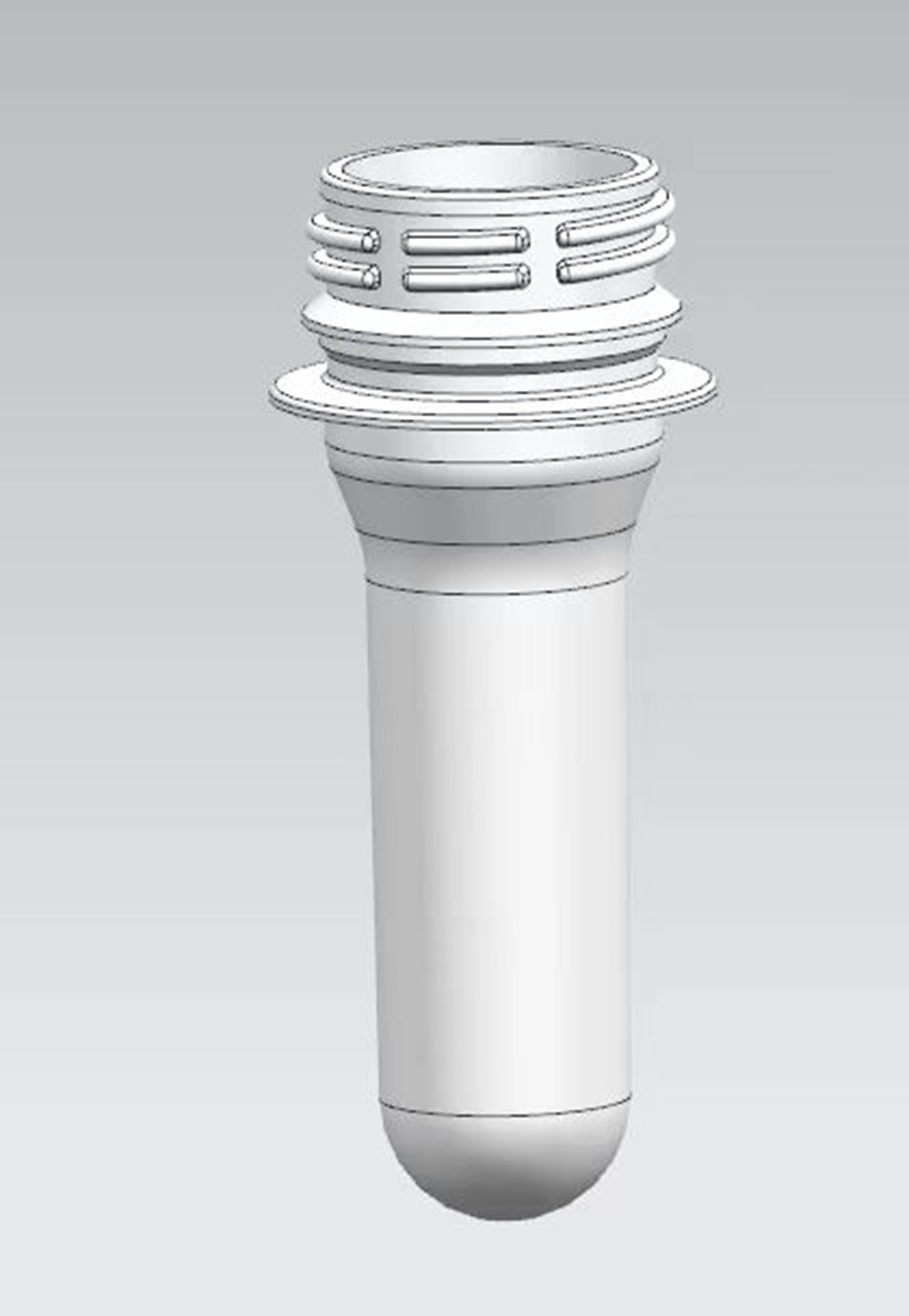
Short shots. Flash. Warpage. These three defects plague cap manufacturers worldwide. They cause rejected parts, wasted material, frustrated operators, and unhappy customers. Worst of all, many manufacturers accept these defects as "normal" — believing that some level of scrap is simply the cost of doing business.
ZSMOLD disagrees. With proper mold design, precision manufacturing, and disciplined maintenance, these common defects can be virtually eliminated. This article explains the root causes of short shots, flash, and warpage in cap molding — and provides ZSMOLD's proven solutions for each.
Why Defect Reduction Matters
| Defect | Typical Cost Impact (per 1% rejection) |
|---|---|
| Short shots | Material waste + machine time + handling |
| Flash | Secondary trimming + material waste + appearance rejects |
| Warpage | Customer returns + capping machine jams + sealing failures |
A 1% reduction in overall rejection rate on a 50‑million‑cap‑per‑year line saves approximately $20,000–$40,000 annually.
Part 1: Short Shots — Incomplete Filling
What Is a Short Shot?
A short shot occurs when molten material does not completely fill the cavity before the material freezes. The resulting cap is missing material in some areas — typically the farthest point from the gate (injection molding) or the thin sections like tamper bands or hinges.
Root Causes of Short Shots
| Cause | Mechanism | Common In |
|---|---|---|
| Insufficient shot volume | Not enough material dosed (compression) or injected (injection) | Both |
| Low injection pressure | Material cannot overcome flow resistance | Injection |
| Premature gate freeze | Gate solidifies before cavity fills | Injection |
| Poor venting | Trapped air prevents material from reaching cavity end | Both |
| Low melt temperature | Material too viscous to fill completely | Both |
| Restricted flow path | Obstruction in nozzle, runner, or gate | Injection |
| Inaccurate dosing (compression) | Material pellet or parison weight varies | Compression |
ZSMOLD Solutions for Short Shots
Solution 1: Optimized Gate Design (Injection Molds)
Problem: Gate freezes too early, stopping flow before the cavity fills.
ZSMOLD solution:
Gate size calculated specifically for cap geometry and material
Gate location positioned for shortest flow path to critical areas (tamper band, hinge)
Valve gate with adjustable opening profile for precise flow control
Result: Material flows completely into the cavity before any freezing occurs.
Solution 2: Precision Dosing Interface (Compression Molds)
Problem: Inconsistent pellet or parison weight leads to short shots in some cavities.
ZSMOLD solution:
Optimized material drop zone geometry
Anti-bridging features for consistent pellet flow
Precision-machined dosing interface
Result: Each cavity receives the exact material amount needed.
Solution 3: Advanced Venting
Problem: Air trapped in the cavity creates back-pressure that stops material flow.
ZSMOLD solution:
Precision-ground venting depths (0.02–0.05mm for cap materials)
Vent placement at last points to fill (tamper band tips, hinge areas)
Ejector pin clearance used as additional venting paths
Result: Air escapes freely; material fills completely.
Solution 4: Balanced Hot Runner Flow (Injection Molds)
Problem: Some cavities receive less material or lower pressure than others.
ZSMOLD solution:
Geometrically balanced runner design
Individual nozzle temperature control (±1°C)
Optional dynamic pressure balancing for high-cavitation molds
Result: Every cavity fills identically — no short shots in specific positions.
Part 2: Flash — Excess Material at Parting Lines
What Is Flash?
Flash is a thin layer of excess material that escapes from the cavity at the parting line, ejector pins, or other mold component interfaces. Flash creates sharp edges, assembly problems, liner sealing issues, and an unacceptable appearance.
Root Causes of Flash
| Cause | Mechanism | Common In |
|---|---|---|
| Excessive injection or compression force | Force pushes mold open slightly | Both |
| Worn or damaged parting line | Material escapes through gaps | Both |
| Clamp force insufficient | Machine cannot hold mold closed | Injection |
| Misaligned mold halves | Gaps exist on one side of the mold | Both |
| Material too low viscosity | Flows through even small gaps | Both |
| Venting depth too deep | Vent becomes a flash path | Both |
ZSMOLD Solutions for Flash
Solution 1: Precision Machined Parting Line
Problem: Uneven or worn parting surfaces allow material to escape.
ZSMOLD solution:
Parting line surfaces machined to flatness within 0.01mm
Hardened steel (HRC 50–55) on critical parting surfaces
Regular reconditioning service for worn molds
Result: No gaps exist for material to escape.
Solution 2: Robust Mold Clamping Design (Injection Molds)
Problem: Injection pressure forces mold plates apart.
ZSMOLD solution:
Thicker mold plates for reduced deflection
Strategic support pillar placement behind cavities
Pre-stressed guide systems maintain alignment under pressure
Result: Mold remains closed even at maximum injection pressure.
Solution 3: Optimized Venting Depth
Problem: Vents cut too deep become flash channels.
ZSMOLD solution:
Vent depths precisely controlled: 0.02–0.05mm (typical for cap materials)
Vent lands kept short (1–2mm) to minimize flash potential
Clean-out grooves behind vents to trap any minimal flash
Result: Vents release air but not material.
Solution 4: Material-Specific Clearance Design
Problem: Different materials have different flow characteristics.
ZSMOLD solution:
| Material | Recommended Parting Line Clearance | Vent Depth |
|---|---|---|
| HDPE | <0.02mm | 0.03–0.05mm |
| PP | <0.015mm | 0.02–0.04mm |
| PET | <0.01mm | 0.01–0.03mm |
Result: Clearances matched to material viscosity — no flash.
Part 3: Warpage — Dimensional Distortion
What Is Warpage?
Warpage is unintended bending, twisting, or distortion of the cap after ejection. Warped caps may not seal properly, may jam capping machines, or may fail in the field. Warpage is especially critical for carbonated soft drink caps (pressure retention) and tamper-evident bands (proper breakaway).
Root Causes of Warpage
| Cause | Mechanism | Common In |
|---|---|---|
| Uneven cooling | Different parts of cap cool at different rates | Both |
| Non-uniform wall thickness | Thick sections shrink more than thin sections | Both |
| Uneven ejection | Ejector pins push unevenly, distorting hot cap | Both |
| Poor gate location | Material flow creates orientation that warps during cooling | Injection |
| Insufficient cooling time | Cap ejected before internal stresses relax | Both |
| Material issues | Incorrect material, excessive regrind, or wrong melt flow index | Both |
ZSMOLD Solutions for Warpage
Solution 1: Uniform Cooling Design
Problem: Temperature differences across the cap create uneven shrinkage.
ZSMOLD solution:
Conformal cooling channels follow cap geometry
Multiple independent cooling zones (4–6 zones for caps)
Temperature uniformity maintained under 2°C across all cavities
Result: Every part of every cap cools at the same rate — no thermal-induced warpage.
Solution 2: Balanced Gate Placement (Injection Molds)
Problem: Material flow orientation creates stresses that release as warpage.
ZSMOLD solution:
Gate location optimized for symmetrical filling
Multiple gates for large caps or difficult geometries
Flow simulation validates fill patterns before manufacturing
Result: Balanced fill reduces molded-in stresses.
Solution 3: Optimized Ejection System
Problem: Ejector pins push on hot, soft caps, causing distortion.
ZSMOLD solution:
Increased ejector pin count (more pins, less force per pin)
Larger diameter pins to spread ejection force
Air-assist ejection (burst of air releases cap before pin contact)
Ejection timing optimized (eject only after sufficient cooling)
Result: Caps release cleanly without distortion.
Solution 4: Thickness Uniformity
Problem: Thick sections shrink more than thin sections, causing warpage.
ZSMOLD solution:
Cavity/core concentricity maintained within ±0.015mm
Wall thickness variation kept under 3%
Simulation identifies thick/thin areas before mold build
Result: Consistent wall thickness means consistent shrinkage — no warpage.
Quick Reference: Defect Troubleshooting Guide
| Defect | Most Likely Cause | ZSMOLD Solution |
|---|---|---|
| Short shot (single cavity, injection) | Clogged gate or vent | Clean; check vent depth |
| Short shot (all cavities, injection) | Low shot size or melt temp | Increase; check settings |
| Short shot (compression) | Inconsistent dosing | Check dosing system; verify pellet weight |
| Flash (parting line) | Low clamp force or worn parting line | Increase clamp; recondition mold |
| Flash (ejector pins) | Worn pin/guide clearance | Replace pins; check bores |
| Warpage (general) | Uneven cooling | Check cooling circuits; clean channels |
| Warpage (gate area, injection) | Poor gate location | Modify gate in next mold version |
| Warpage (ejection marks) | Uneven ejection | Add pins; check pin lengths |
Real-World Case Study: Eliminating All Three Defects
Customer: Carbonated soft drink cap manufacturer
The problem: Their 64-cavity injection mold produced caps with:
Short shots on 2–3% of cavities (tamper band incomplete)
Flash on 1–2% of caps (parting line)
Warpage causing capping machine jams (3–4 stoppages per shift)
ZSMOLD solution provided:
New 64-cavity injection mold with:
Optimized gate design (larger diameter, better location)
Precision-ground venting (0.03mm depth)
Conformal cooling with 5 zones
Hardened parting line surfaces (HRC 52)
32 ejector pins (up from 20)
Air-assist ejection
Results after installation:
| Defect | Before | After | Reduction |
|---|---|---|---|
| Short shots | 2.5% | 0.1% | 96% |
| Flash | 1.5% | 0.05% | 97% |
| Warpage-related jams | 3–4 per shift | 0 per shift | 100% |
| Overall rejection rate | 4.2% | 0.25% | 94% |
Annual savings: $185,000 (material + downtime + labor)
Customer quote: "We thought short shots, flash, and warpage were just part of cap molding. ZSMOLD proved us wrong. Our line has never run this clean."
Prevention Is Better Than Cure: Design for Zero Defects
The best way to eliminate defects is to prevent them in mold design. ZSMOLD's design process includes:
Mold flow simulation — predicts filling, packing, cooling, and warpage
Design review — identifies potential defect risks before manufacturing
Material-specific optimization — designs tailored to HDPE, PP, or PET
Validation testing — short shots, weight distribution, and dimensional verification
Conclusion
Short shots, flash, and warpage are not inevitable. They are symptoms of correctable problems in mold design, manufacturing, or operation. ZSMOLD has the engineering expertise, precision manufacturing, and process knowledge to eliminate these common cap defects.
Whether you need a new mold designed for zero defects, or you need help troubleshooting an existing problematic mold, ZSMOLD can help.
Contact ZSMOLD today for a defect analysis of your current cap production. We will identify the root causes and provide specific solutions — new mold design, mold modification, or process recommendations.