


- By Admin
- 2026/6/1
Cap Mold Daily Maintenance Checklist: 5 Must-Inspect Items Recommended by ZSMOLD
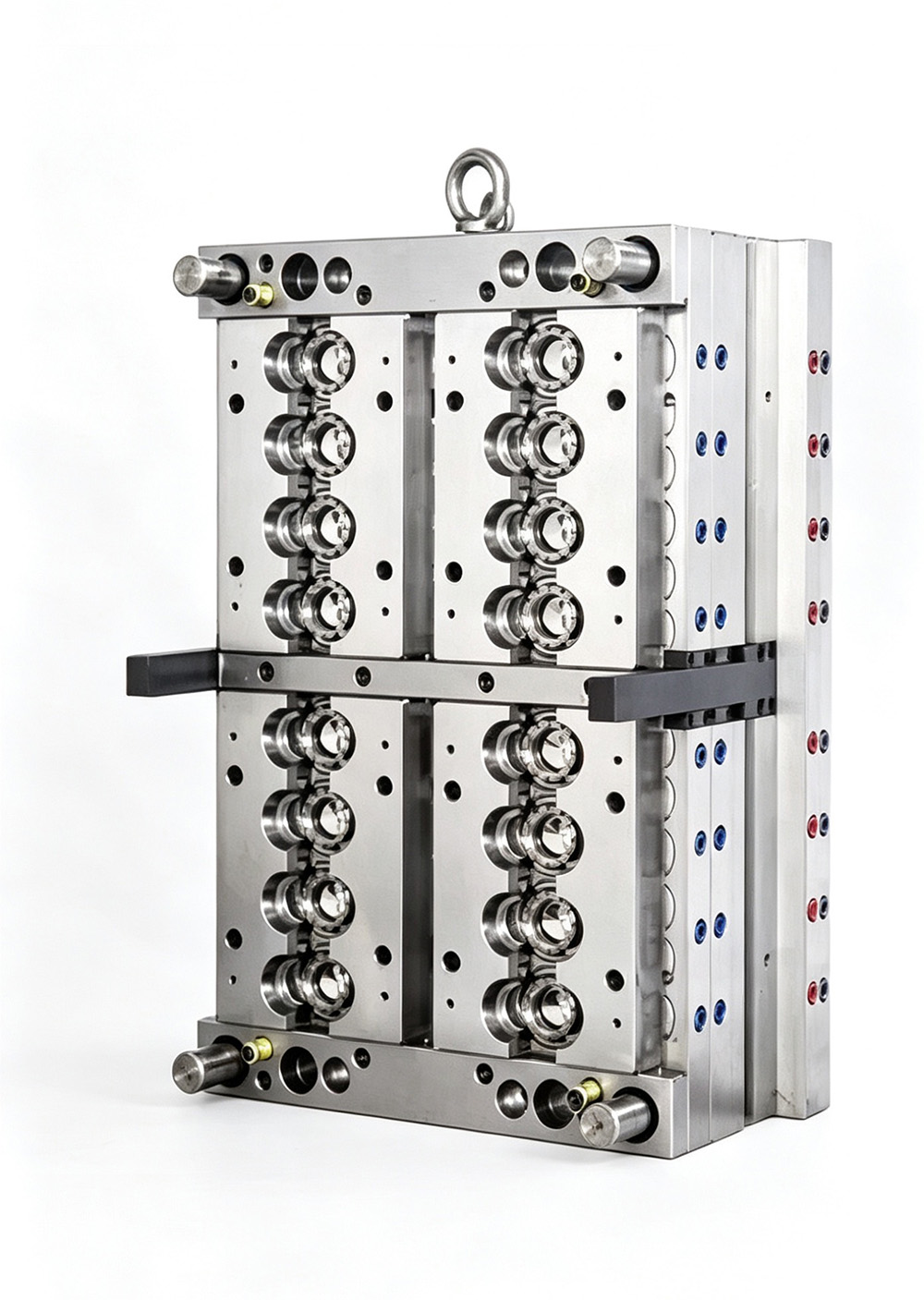
A high-quality cap mold is a significant investment — typically $30,000 to $80,000 or more for a production-ready compression or injection mold. Yet many manufacturers treat it as a "set it and forget it" tool — until something breaks. The truth is that proper daily maintenance is the single biggest factor determining mold life, cap quality, and production uptime.
ZSMOLD has designed and serviced thousands of cap molds worldwide for beverage, pharmaceutical, and industrial closure applications. Based on this experience, we have identified the 5 most critical items that should be inspected every single day.
This article presents our recommended daily maintenance checklist for cap molds.
Why Daily Maintenance Matters
| Approach | Mold Life | Unplanned Downtime | Cap Quality |
|---|---|---|---|
| No daily checks | 1–3 years | Frequent (50+ hours/year) | Inconsistent |
| Basic weekly checks | 3–5 years | Moderate (20–30 hours/year) | Variable |
| ZSMOLD daily checklist | 5–10+ years | Rare (<10 hours/year) | Stable |
A few minutes of daily inspection prevents hours of emergency repair and thousands of dollars in lost production.
The 5 Must-Inspect Items Daily
Item 1: Cavity and Core Surfaces
Why it matters: The cavity and core surfaces directly transfer the shape and finish to every cap. Any damage, residue, or wear will appear on every single cap produced. In compression molding, residue buildup is especially problematic because material is dropped directly onto open cavities.
What to check each day:
Inspect open mold surfaces for resin residue, especially in the tamper band area and hinge grooves
Look for scratches, dings, or galling marks
Check for corrosion or pitting (more common with recycled materials or certain colorants)
Verify that the surface finish remains mirror-like (dull spots indicate wear)
Warning signs:
White or brown residue buildup on cavity walls
Visible lines or scratches
Dull spots where surface should be polished
Material sticking to cavity after ejection
ZSMOLD recommendation:
Clean surfaces daily with a soft, lint-free cloth and approved mold cleaner
Never use metal tools, abrasive pads, or compressed air (which drives particles into gaps)
For compression molds, clean after every shift — residue burns onto hot cavities quickly
Pro tip: Keep a dedicated cleaning kit at each machine. If operators have to walk to find cleaning supplies, cleaning frequency drops.
Item 2: Ejection System Components
Why it matters: Ejector pins, sleeves, return pins, and stripper plates are the most mechanically stressed components in a cap mold. They push caps out of the mold thousands of times per day. In compression molding, ejection occurs while caps are still hot and soft — making smooth ejection critical.
What to check each day:
Ejector pins extend and retract smoothly without sticking
No broken, bent, or worn pins
Return pins are flush with mold base when closed
Ejector plate or stripper plate moves freely without binding
Even ejection across all cavities (some caps sticking while others release indicates problems)
Warning signs:
Scratches or burrs on pin surfaces
Uneven ejection (some caps stick, others don't)
Unusual noise during ejection stroke
Caps showing ejection marks or distortion
ZSMOLD recommendation:
Apply a thin film of high-temperature grease to ejector pins every shift
For compression molds, use food-grade lubricant if producing beverage or food caps
Replace any pin showing wear marks, discoloration, or diameter reduction greater than 0.02mm
Check ejector pin lengths monthly (uneven length causes uneven ejection)
Quick test: Run your finger across the ejector pins (with mold open and safe). They should all feel smooth and consistent. Any rough or uneven pins need attention.
Item 3: Guide Components (Pillars and Bushings)
Why it matters: Guide pillars and bushings maintain alignment between mold halves. In cap molds, even 0.03mm of misalignment causes uneven wall thickness, flash on one side of caps, and premature wear of other components.
What to check each day:
Guide pillars for scoring, galling, or lack of lubrication
Bushings for excessive wear or oval shape
Smooth closing motion (no binding or resistance)
No visible wear debris (metal dust around guide areas)
Warning signs:
Audible squeaking or grinding during mold closing
Visible metal transfer from pillar to bushing
Flash on caps consistently on one side
Uneven cap wall thickness (thicker on one side)
ZSMOLD recommendation:
Clean and lubricate guide components daily
Use high-temperature grease rated for 150°C+
Measure alignment annually with dial indicators
Replace bushings when clearance exceeds 0.03mm
The 30-second test: Open and close the mold slowly by hand (with machine off and safety locks engaged). It should move smoothly with no hesitation or noise.
Item 4: Cooling System Flow and Temperature
Why it matters: Cooling typically accounts for 50–60% of the cap molding cycle. Inadequate or blocked cooling causes:
Extended cycle times (lost output)
Hot spots (warpage, dimensional issues)
Inconsistent cap quality
Premature mold wear (thermal fatigue)
What to check each day:
Visual confirmation of coolant flow through all circuits (flow meters or sight glasses)
Inlet and outlet temperature difference (should be 2–4°C for most cap applications)
Signs of leakage around cooling channel connections
No rust or corrosion at connection points
Warning signs:
Reduced flow rate on any circuit
Temperature difference exceeding 5°C
Water stains or rust near cooling ports
Cycle time gradually increasing (possible cooling fouling)
ZSMOLD recommendation:
Record flow and temperature readings at the start of each shift
Compare to baseline values from first production day
For compression cap molds, pay special attention to tamper band cooling (thickest section)
Clean cooling channels every 6 months with descaling solution
Quick check: Feel the outlet hoses from each cooling zone. They should all feel similarly warm. One cold outlet means low flow; one hot outlet means poor cooling.
Item 5: Venting System
Why it matters: Venting is often overlooked but critical for cap quality. Poor venting causes short shots (incomplete filling), burn marks, and extended cycle times. In high-speed cap molding, trapped air has milliseconds to escape.
What to check each day:
Vent depths are clean and clear of debris
No material buildup in vent channels
Vent lands are not worn or damaged
Ejector pin clearances (which act as vents) are not blocked
Warning signs:
Burn marks on caps (especially at the end of fill)
Short shots in specific cavity locations
Visible residue in vent channels
Caps with dull spots where vents are blocked
ZSMOLD recommendation:
Clean vent channels daily with a soft brush or vent cleaning tool
Never use metal tools that could enlarge vent depths
Verify vent depths annually (typical cap mold vents: 0.02–0.05mm depending on material)
For problem materials (high-regrind content), clean vents every shift
Material-specific vent depths:
| Material | Recommended Vent Depth |
|---|---|
| HDPE | 0.03 – 0.05mm |
| PP | 0.02 – 0.04mm |
| PET | 0.01 – 0.03mm |
Pro tip: If you see burn marks, clean vents first. This solves the problem 80% of the time.
The Daily Maintenance Log Sheet
ZSMOLD recommends using a simple log sheet for each mold. This creates a maintenance history that helps predict part replacement intervals and diagnose recurring problems.
| Date | Shift | Cavity Surface OK | Ejectors OK | Guides Lubed | Cooling OK | Vents Clean | Issues Found | Action Taken |
|---|---|---|---|---|---|---|---|---|
| ☐ | ☐ | ☐ | ☐ | ☐ | ||||
| ☐ | ☐ | ☐ | ☐ | ☐ |
Time required for full checklist: 10–15 minutes per mold
What Happens When Daily Checks Are Skipped
A customer once told us: "We don't have time for daily maintenance."
Six months later, three of their cap molds came back to ZSMOLD for emergency repair. The cause:
| Neglected Item | Resulting Damage | Cost |
|---|---|---|
| Cooling channels not checked | Clogged channels — 14 days of slow cycles (5.2 sec → 7.8 sec) | $38,000 lost output |
| Cavity surface residue | Scratched cavities — 400,000 scrapped caps | $6,000 material + labor |
| Ejector pins not lubricated | Broken pin bent five others — 3 days downtime | $12,000 |
Total loss from skipping daily checks: $56,000
Time saved by skipping checks: Approximately 6 hours total
The math does not work.
Beyond Daily: Weekly and Monthly Checks
While daily inspection covers the 5 critical items, ZSMOLD recommends additional checks on a weekly and monthly basis:
Weekly:
Verify water line connections for leaks
Check torque on clamp plate bolts
Inspect pneumatic lines (if equipped with air-assist ejection)
Clean mold exterior and mounting surfaces
Monthly:
Measure cap weight variation across cavities
Inspect hot runner connectors and cables (injection molds)
Calibrate mold temperature sensors if equipped
Check ejector pin lengths
Verify guide pillar clearance
Quarterly:
Complete mold disassembly and deep cleaning
Measure critical dimensions (cavity diameter, core diameter)
Replace wear components on schedule (not after failure)
ZSMOLD Support for Your Maintenance Program
ZSMOLD provides every customer with:
Custom maintenance schedule specific to your mold type (compression or injection), material, and production volume
Recommended spare parts kit with critical wear components (ejector pins, bushings, springs, heaters for injection molds)
Lubrication and cleaning products optimized for cap molds and food-grade requirements
Training materials for your maintenance staff (available in multiple languages)
Remote troubleshooting support for unusual conditions
On-site training option for new mold startup
Quick Reference: Daily Checklist Summary
| Item | What to Check | Time | Critical Warning Sign |
|---|---|---|---|
| 1 | Cavity/core surfaces | 3 min | Residue buildup or scratches |
| 2 | Ejector system | 3 min | Sticking pins or uneven ejection |
| 3 | Guide components | 2 min | Grinding noise or flash |
| 4 | Cooling system | 4 min | Low flow or temperature difference >5°C |
| 5 | Venting system | 2 min | Burn marks or short shots |
Total daily time per mold: 14 minutes
Conclusion
A cap mold is not a commodity. It is a precision tool that deserves daily attention. The ZSMOLD daily maintenance checklist — cavity surfaces, ejection components, guide components, cooling system, and venting — takes less than 15 minutes per shift. Those 15 minutes prevent thousands of dollars in waste, downtime, and repair costs.
A few minutes today saves days tomorrow.
Contact ZSMOLD today to request:
Our complete maintenance guide for cap molds (available in English and Chinese)
Custom spare parts recommendation for your specific mold
On-site training for your production team
Downloadable daily maintenance log sheet