


- By Admin
- 2026/5/13
The Digital Future of PET Preform Molds: Sensors, IoT, and Smart Maintenance
For decades, preform molds were passive tools. You mounted them in an injection machine, ran production, and hoped nothing went wrong. When problems occurred — a worn ejector pin, a clogged cooling channel, a failing heater — you discovered them only after defective preforms had already been produced.
That era is ending. The digital transformation of injection molding has reached the mold itself. Today, PET preform molds equipped with sensors, IoT connectivity, and smart maintenance capabilities are changing how manufacturers produce, monitor, and maintain their tooling. This article explores the digital future of preform molds and how ZSMOLD is leading the transition.
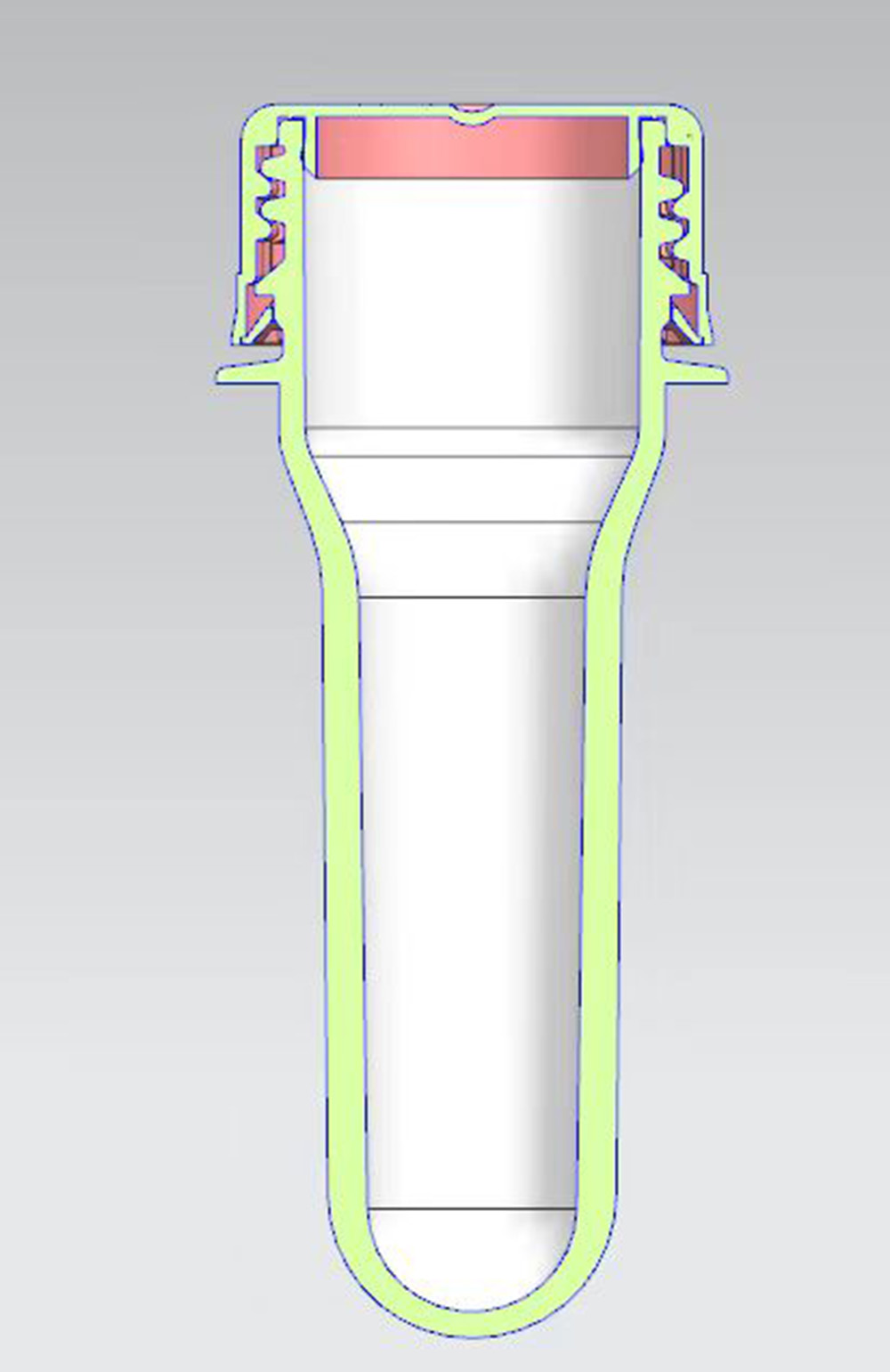
Why Digital Molds? The Problem with Traditional Molds
| Traditional Mold Limitation | Consequence |
|---|---|
| No visibility inside the mold | Problems detected only after bad parts are made |
| Reactive maintenance | Unplanned downtime, emergency repairs |
| Manual data logging | Inconsistent records, missed trends |
| Isolated operation | No integration with production systems |
| Unknown wear status | Premature failure or unnecessary early replacement |
Digital molds solve these problems by turning a passive tool into an active data source.
The Three Pillars of Digital Preform Molds
Pillar 1: Sensors — The Eyes and Ears Inside the Mold
Sensors transform a blind mold into an instrumented, intelligent tool. ZSMOLD integrates multiple sensor types into preform molds.
Cavity Pressure Sensors
What they measure: Melt pressure inside each cavity during injection, packing, and cooling phases.
What they reveal:
Cavity-to-cavity fill balance
Gate freeze timing
Packing phase effectiveness
Viscosity variations in PET material
Digital output: Real-time pressure curves for every cycle, every cavity.
Application example: If cavity #27 shows a pressure drop 0.2 seconds earlier than others, the system alerts operators to check that cavity's gate or venting.
Temperature Sensors
What they measure: Steel temperature at multiple locations — cavity surface, cooling channel exits, gate area, ejector pins.
What they reveal:
Cooling system performance
Developing hot spots
Cooling channel blockages
Temperature variation across cavities
Digital output: Continuous temperature monitoring with alarm thresholds.
Application example: A gradual temperature rise in zone 3 indicates cooling channel fouling before cycle time increases.
Flow Sensors
What they measure: Coolant flow rate and pressure in each cooling circuit.
What they reveal:
Reduced flow from blockages or pump issues
Flow imbalances between parallel circuits
Leaks or pressure drops
Digital output: Flow rate and pressure graphs over time.
Application example: Flow drops below setpoint in the gate cooling circuit — automatic alert for maintenance to flush channels.
Accelerometers (Vibration Sensors)
What they measure: Vibration signatures during mold opening, closing, and ejection.
What they reveal:
Ejector pin binding or sticking
Guide pillar wear
Loose mold components
Impact damage
Digital output: Vibration frequency and amplitude plots.
Application example: A new high-frequency vibration during ejection correlates with a specific pin — replacement scheduled before pin breaks.
Position Sensors
What they measure: Slide movement, ejector plate position, valve gate stroke.
What they reveal:
Incomplete slide retraction
Ejector plate misalignment
Valve gate timing accuracy
Digital output: Position vs. time traces for each cycle.
Pillar 2: IoT Connectivity — From Isolated Mold to Factory Network
Sensors generate data. IoT (Internet of Things) connectivity moves that data where it matters: to operators, maintenance teams, production supervisors, and cloud analytics platforms.
How ZSMOLD Implements IoT on Preform Molds
| Component | Function |
|---|---|
| Mold-mounted data acquisition module | Collects sensor signals, converts to digital data |
| Edge computing device | Processes data locally, detects anomalies in real time |
| Wireless or wired connection | Transmits data to factory network or cloud |
| Dashboard software | Visualizes data for operators and managers |
| Cloud storage | Archives historical data for trend analysis |
Connectivity Benefits
Real-time alerts: Operator receives SMS or screen alert when cavity pressure deviates beyond tolerance — before bad preforms are made.
Remote monitoring: Production manager checks mold status from home or office. Maintenance team diagnoses problems without walking to the machine.
Data integration: Mold data combines with machine data (temperature, pressure, screw position) and quality data (preform weight, dimensions) for complete production visibility.
Fleet management: For factories running multiple molds, IoT enables comparison across all tools. Which mold has the highest temperature variation? Which has the most frequent pressure alerts?
Pillar 3: Smart Maintenance — From Reactive to Predictive
Smart maintenance uses sensor data and analytics to predict failures before they happen. Instead of fixing problems after production stops, you schedule maintenance when it makes business sense.
The Maintenance Evolution
| Maintenance Type | Approach | Result |
|---|---|---|
| Reactive | Fix after failure | Unplanned downtime, emergency costs |
| Preventive | Replace parts on fixed schedule | May replace good parts; may miss early failures |
| Predictive (Smart) | Replace based on actual condition data | Optimal part life, minimal downtime |
How Smart Maintenance Works on Preform Molds
Step 1: Baseline establishment
During first production runs, the mold learns its normal operating parameters — pressure curves, temperature patterns, vibration signatures.
Step 2: Continuous monitoring
Sensors collect data on every cycle. Edge computing compares each cycle to baseline and historical trends.
Step 3: Anomaly detection
When a parameter drifts beyond normal range, the system flags it. Examples:
Ejector stroke vibration increases 15% over three days
Cavity #12 peak pressure drops 8% from baseline
Cooling zone 3 exit temperature rises 2°C above historical average
Step 4: Predictive alert
The system predicts remaining useful life and recommends action: "Ejector pin #8 shows wear pattern consistent with failure in 3–5 days. Schedule replacement within 48 hours."
Step 5: Condition-based maintenance
Maintenance replaces only the pin that needs replacement — not all pins. No downtime from unexpected failure. No labor wasted on unnecessary replacements.
Real-World Implementation: ZSMOLD Smart Mold Platform
ZSMOLD offers a complete digital mold solution:
Hardware
Pre-installed sensor ports in all new molds (pressure, temperature, flow ready)
Universal mold-mounted data acquisition module
Plug-and-play connectivity to major injection machine controllers (Arburg, Engel, Husky, Netstal, Sumitomo)
Software
ZSMOLD Dashboard: Real-time mold health visualization
Mobile app: Alerts and status checks from smartphone
Cloud analytics: Long-term trend analysis and fleet comparison
Services
Custom alert threshold setting
Predictive model training (based on your production data)
Maintenance scheduling integration with your ERP or CMMS
Case Study: Smart Mold Deployment at 96-Cavity Facility
A large preform producer equipped 8 ZSMOLD preform molds with full sensor and IoT packages.
Before smart molds:
Unplanned downtime: 140 hours per year (across 8 molds)
Emergency spare parts spend: $18,000 per year
Average mold life: 7.2 million cycles
Quality events (undetected drift): 4 per year
After 12 months with smart molds:
Unplanned downtime: 22 hours per year (84% reduction)
Emergency spare parts: $4,200 per year (77% reduction)
Average mold life: 11.5 million cycles (60% increase)
Quality events: 0 (100% reduction — all drift caught early)
ROI calculation:
Smart mold investment: 64,000
Annual savings (downtime + parts + quality): $47,000 + extended mold life value
Payback period: 14 months
Barriers to Adoption — And How ZSMOLD Overcomes Them
| Barrier | ZSMOLD Solution |
|---|---|
| Higher upfront cost | Modular sensor options — start with pressure only, add later |
| Complexity for operators | Pre-configured dashboards, minimal training required |
| Integration with existing machines | Universal interface module works with any machine |
| Data overload | Smart thresholds filter only actionable alerts |
| Concern about reliability | Industrial-rated sensors (IP67, rated for mold environment) |
The Future: Where Digital Preform Molds Are Headed
AI-Based Failure Prediction
Current predictive maintenance uses simple trend analysis. The next generation uses machine learning models trained on thousands of mold failure patterns to predict failures with even greater accuracy — and longer lead times.
Closed-Loop Process Adjustment
Smart molds will not just detect problems — they will fix them. Example: Mold temperature sensors detect developing hot spot. System automatically adjusts chiller flow to that circuit without operator intervention.
Digital Twin Integration
Each physical mold will have a digital twin — a virtual replica that simulates expected performance. Real sensor data constantly validates the twin, and any deviation triggers investigation.
Blockchain Maintenance Records
For high-value molds, blockchain-based maintenance logs will provide tamper-proof history, increasing mold resale value and simplifying compliance documentation.
Conclusion
The digital future of PET preform molds is already here. Sensors give you visibility inside the mold. IoT connectivity brings that data to your team. Smart maintenance turns data into action — predicting failures, preventing downtime, extending mold life, and improving preform quality.
ZSMOLD is not waiting for this future. We are building it. Every ZSMOLD mold can be equipped with digital capabilities, from basic sensor ports to full IoT integration and predictive maintenance analytics.
The question is no longer "Should we digitalize our molds?" The question is "How soon can we start?"
Contact ZSMOLD today to discuss which level of digital mold capability makes sense for your production environment. Whether you want to start with cavity pressure sensors or deploy a fully connected smart mold fleet, we have a solution.